Neuroplastic Symptoms and Pain Reprocessing Therapy
Pain and other persistent symptoms that don’t respond adequately to medical treatment can be confusing, especially when you've been told that nothing is seriously wrong—or when you have a medical condition but your symptoms seem more intense, widespread, or persistent than you or your doctors would expect.
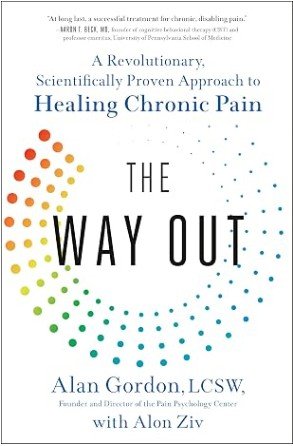
You may have heard terms like neuroplastic or nociplastic pain, centralized pain, Pain Reprocessing Therapy (PRT), mind-body syndrome, functional syndrome, or TMS. You might have read the works of Dr. John Sarno (like “Healing Back Pain” or “The Mindbody Prescription”), “Unlearn Your Pain” by Dr. Howard Schubiner, or “The Way Out” by Alan Gordon. You may wonder whether these concepts might apply to you.
Or, you may have clicked on this page never having heard these terms before but feeling curious about them (hint: curiosity is a great attribute to have when trying to heal chronic symptoms!).
I specialize in Pain Reprocessing Therapy (PRT) and other mind-body approaches for people experiencing chronic pain and other persistent symptoms that may be influenced by the brain and nervous system. My approach is grounded in current scientific understanding of how the brain and nervous system process pain and other physical sensations.
What is Neuroplastic Pain?
Pain is not a straightforward process. It is not always a sign of damage in the body.
Neuroplastic pain is very real physical pain that is not caused by tissue damage or physical injury in the body, but rather by a miscommunication between the brain and body. Even after an injury has healed, or even sometimes without an injury ever occurring, the brain can produce pain. The brain can become overprotective and get stuck in a loop, constantly sending out pain signals because it expects to feel pain, almost like a “false alarm.”
Every human being experiences neuroplastic symptoms sometimes; it’s a natural part of being alive. There is nothing wrong with this and no shame in it – and it is never a person’s fault or reflective of something they’re doing “wrong.” Many times these symptoms go away on their own, but sometimes, when just the right confluence of circumstances occurs, the symptoms can become persistent and start to greatly affect a person’s life.
Neuroplastic pain does not mean that your pain is imaginary or "all in your head." Your pain is real. The idea is that there may be a different explanation for your pain than what you’re used to hearing - the nervous system may be playing a bigger role in producing and maintaining your symptoms than tissue damage. The fact that the nervous system is involved does not make the symptoms any less physical or legitimate.
Other Neuroplastic Symptoms
Although the term neuroplastic pain is commonly used, pain is not the only physical experience that can be influenced by the brain and nervous system.
The nervous system helps regulate and interpret an enormous amount of information from your body. When that system becomes overly sensitive, dysregulated, or stuck in a state of heightened threat, it can affect many different kinds of physical sensations and bodily functions.
Depending on the person, this may include symptoms such as:
Fatigue and exhaustion
Dizziness or lightheadedness
Gastrointestinal symptoms
Nausea
Bowel or bladder symptoms
Headaches or migraines
Tingling, numbness, or unusual sensations
Sensitivity to light, sound, touch, or other sensory input
Sleep problems
Cognitive symptoms such as "brain fog"
Shortness of breath or other uncomfortable bodily sensations
Many others
Some people experience primarily pain. Others experience multiple symptoms across different body systems.
This does not mean that all of these symptoms have a psychological cause. Nor does it mean that a symptom is "just stress." The nervous system is one part of a complex biological system, and symptoms can be influenced by many factors – physical, psychological, emotional, and others.
What If I Have a Diagnosed Medical Condition?
Even with a medical diagnosis, your nervous system can play a role in how you experience your symptoms. People with clear-cut conditions like diabetes and heart disease can experience more intense, persistent, or disabling symptoms if their nervous system is in a state of heightened threat. This is true of any medical condition or symptom.
The idea is to consider whether there are multiple factors contributing to what you're experiencing and whether working with your nervous system could help you feel and function better.
This can be especially relevant for people living with complex conditions such as chronic pain, fibromyalgia, migraine, EDS, POTS, dysautonomia, ME/CFS, IBS, Long COVID, and other conditions involving persistent or fluctuating symptoms. PRT can be effective with these conditions and symptoms as well.
Having a medical diagnosis does not necessarily mean that every symptom you experience is caused by the underlying condition. At the same time, having symptoms that are influenced by the nervous system does not mean that your medical condition isn't real.
We can explore whether nervous system processes may be contributing to some of your symptoms while continuing to respect and account for your underlying medical conditions.
What Is Pain Reprocessing Therapy?
Pain Reprocessing Therapy (PRT) is an evidence-based, psychological treatment for neuroplastic pain and symptoms.
PRT is based on the idea that pain can sometimes persist because the brain has learned to interpret certain sensations as dangerous, even when those sensations are not signaling tissue damage.
With neuroplastic pain, the body has healed, but the brain hasn’t gotten the message. PRT breaks the pain loop by training the brain and nervous system to respond differently to pain signals. This is done through changing your understanding of pain and physical sensations (“reprocessing” what pain means and becoming less fearful of it), stress reduction, calming the nervous system, and rebuilding confidence in your body. Over time, PRT can reduce pain.
What Does PRT Involve?
It begins with a thorough assessment of your medical experiences, background, diagnoses, and symptoms to gather evidence that your symptoms may be neuroplastic. You should always be thoroughly evaluated by a medical provider to rule out any serious conditions.
Next, treatment involves:
Learning about pain and the nervous system
Figuring out why your pain started and what keeps it going
Identifying fearful responses to pain you may have developed
Changing your beliefs and interpretations about pain
Learning to respond to your symptoms with less fear and attending to bodily sensations through a safer lens
Retraining the brain to respond more accurately to messages coming from the body
Reducing fear and avoidance of movements and activities
Gradually approaching sensations, activities, or movements that have become threatening but are actually safe
Working with emotions and other factors that may contribute to nervous-system activation
The main skill in PRT is directly working with fear of the symptoms, which is often a primary driver of symptoms. Fear comes in many forms and may look like anxiety, preoccupation with or fixating on symptoms, frustration, annoyance, constantly searching for a fix, despair, or anger.
The goal is to help your brain and nervous system learn that certain sensations may be safer than you have come to believe.
PRT is different than most types of treatment for chronic pain in that we are aiming to heal or reduce chronic pain and symptoms – not just manage or cope with them.
How Long Does It take To Get Better?
This is an important and understandable question, because of course you want to get out of pain as quickly as possible! The honest answer is that this varies greatly from person to person and depends on a variety of factors. For PRT to have the best chance of being effective, it is important to understand that it is not a quick fix and cannot be rushed, put on a timeline, or treated with urgency (I promise, it will not work under those circumstances). This work requires consistent practice and most importantly, patience. It takes time to re-train the brain, just as it takes time and dedication to train any skill. There is no one special tool or quick hack to getting out of pain. Your process will look completely different from another person’s, because you are a completely different human being with your own unique history and circumstances. I also want you to get out of pain as quickly as possible, but engaging in this treatment the right way will always get better results than rushing it.
Could PRT Be Right for You?
PRT may be worth exploring if:
You've had persistent pain or other symptoms despite extensive medical evaluation or treatment
Your symptoms seem disproportionate to—or no longer fully explained by—an injury or medical findings
Your symptoms fluctuate with stress, different types of activity, different times of day, weather patterns, or other triggers
You're afraid of certain activities or movements because they might cause more pain or injury
You've found yourself constantly monitoring, analyzing, or trying to control your symptoms
You feel caught between pushing yourself too hard and avoiding activities because of your symptoms
You've heard about neuroplastic pain or mind-body approaches and want to understand whether they might apply to you
You have a medical condition but suspect that nervous-system processes may be contributing to some of your symptoms
You don't have to be certain that your symptoms are neuroplastic before starting therapy. You just need to be open and curious about considering this possibility. Part of our work will be exploring whether this framework makes sense for your particular symptoms, history, medical conditions, and goals.
Other Approaches I Use for Neuroplastic Symptoms
Although I provide Pain Reprocessing Therapy, I don't believe that one specific treatment approach is right for everyone.
Additionally, I have training in Emotional Awareness and Expression Therapy (EAET), an evidence-based, neuroscience-informed approach that also addresses the role of the nervous system. I was trained by Dr. Howard Schubiner, one of the creators of the treatment. EAET focuses on identifying and processing difficult emotions, trauma, and other stressors that can keep the nervous system in a state of threat and contribute to persistent pain and symptoms. This treatment is uniquely effective at simultaneously reducing anxiety, depression, and PTSD symptoms alongside physical pain.
Depending on your situation and preferences, we may draw from PRT, EAET, cognitive behavioral therapy, mindfulness-based approaches, trauma-focused therapy, or other evidence-based strategies.
If PRT and Neuroplastic Symptoms Don’t Resonate with You
No worries! This isn’t for everyone, and that’s okay. Luckily, there are several different types of psychological treatment options for chronic pain and other symptoms, and I’m experienced with many of them. Other approaches, such as Cognitive Behavioral Therapy for Chronic Pain (CBT-CP), Acceptance and Commitment Therapy (ACT), or others may be a better fit for you. I’ll respect and meet you where you are, and we’ll find an approach that works for you.
If PRT or other mind-body, nervous system-based approaches appeal to you, please reach out to schedule an appointment.